region:hip
Gluteal Tendinopathy (GTPS): Assessment and Progressive Loading
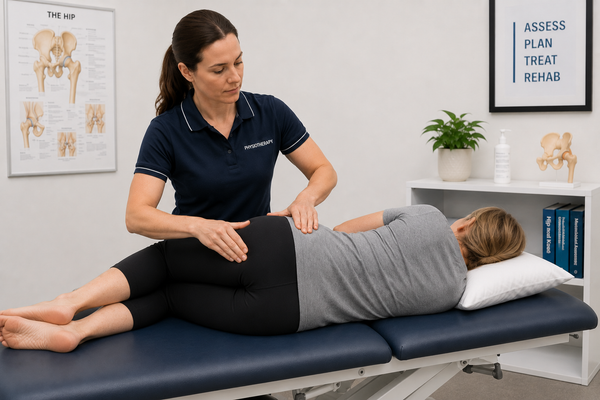
Although the condition was long labelled trochanteric bursitis, the dominant pathology is a tendinopathy of the gluteus medius and minimus rather than a primary bursitis.

region:hip
Although the condition was long labelled trochanteric bursitis, the dominant pathology is a tendinopathy of the gluteus medius and minimus rather than a primary bursitis.
region:cervical
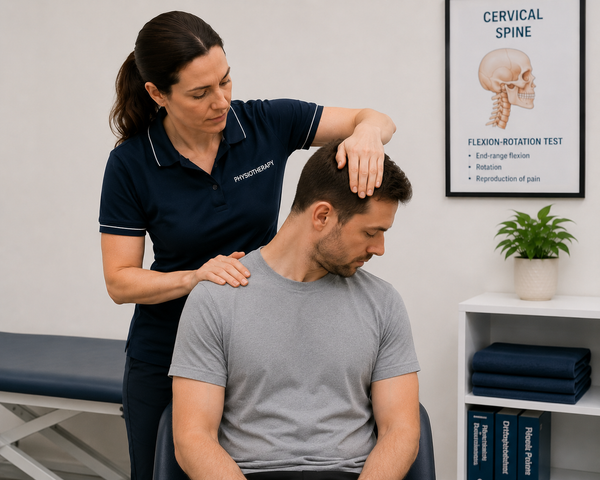
Cervicogenic headache is a secondary headache in which pain perceived in the head is in fact referred from a disorder of the cervical spine, most often the upper cervical segments.
region:cervical
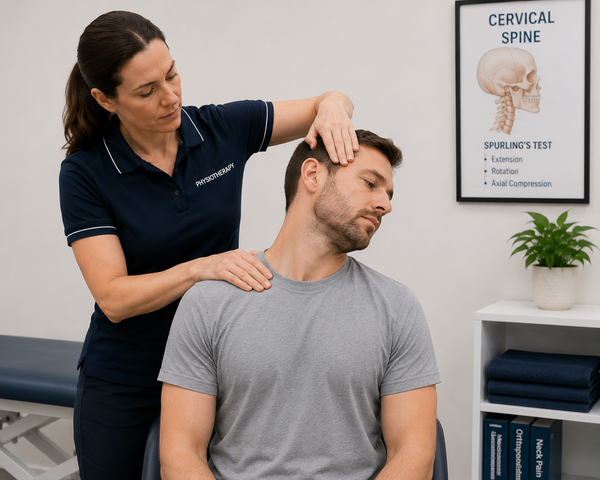
Since no single clinical test reliably confirms the diagnosis of cervical radiculopathy in isolation, contemporary practice relies on a validated cluster of tests to raise or lower the probability of nerve root involvement.
region:cervical
A structured classification framework allows the clinician to reason from a broad presenting complaint toward a defensible working category, and to match the intervention to that category rather than applying a uniform protocol to every patient.
audience:clinical
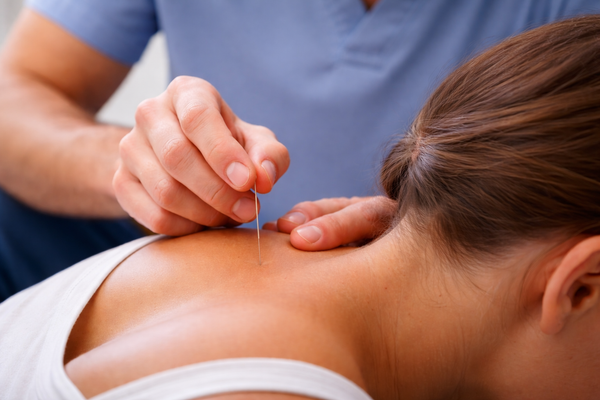
Dry needling is the insertion of a thin filament needle into a myofascial trigger point without injecting any substance.
type:evidence-summary
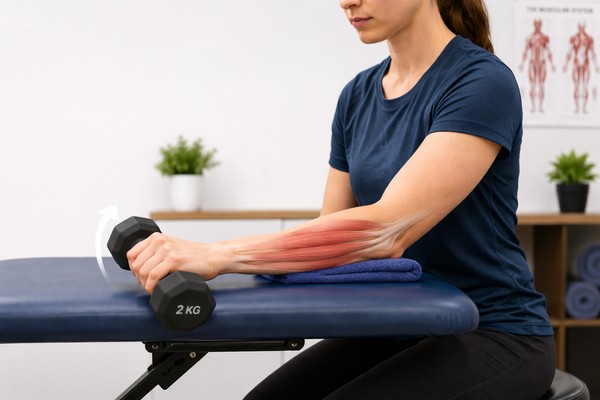
This blog compares the two different kind of loading used for the management of lateral elbow tendinopathy, distinguishes the established findings from prevailing assumptions, and translates the conclusions into practical guidance for exercise prescription.
type:protocol
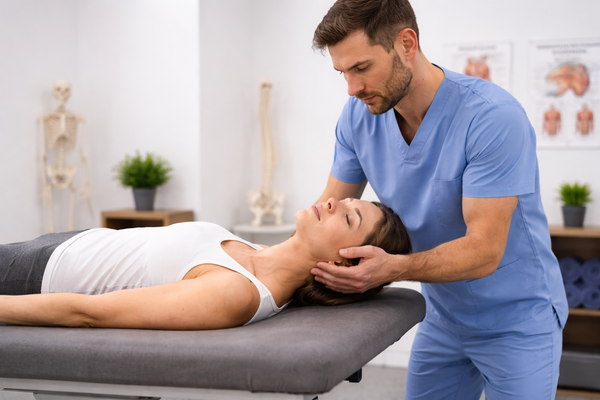
Learn how to diagnose the common posterior-canal variant of Benign paroxysmal positional vertigo (BPPV) by means of the Dix-Hallpike test and its treatment with the Epley maneuver, set out sequentially, together with the supporting evidence and the relevant safety considerations.

type:practice-mgmt
A defensible discharge note concludes the episode, communicates the outcome, and, when executed well, demonstrates that the decision to discharge was sound.

type:practice-mgmt
This article compares the two predominant approaches, the familiar SOAP note and the structured case-sheet template, and sets out how to capture clinical reasoning rather than mere data, irrespective of the format chosen.

type:practice-mgmt
This guide examines four core instruments that, collectively, address the majority of musculoskeletal caseloads: a pain score, a low back measure, a knee measure, and an upper limb measure.
type:protocol
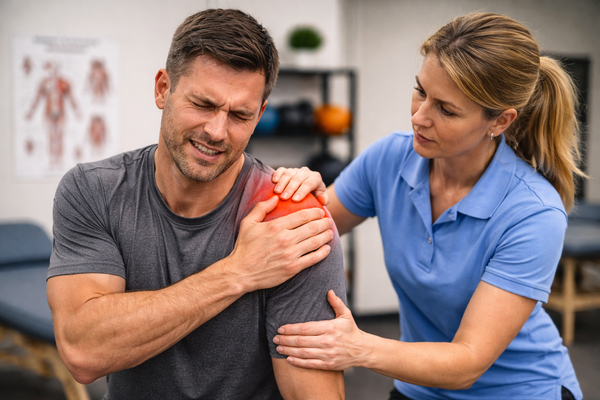
Solution to adhesive capsulitis is a staged protocol in which treatment intensity is matched to tissue irritability.
type:treatment
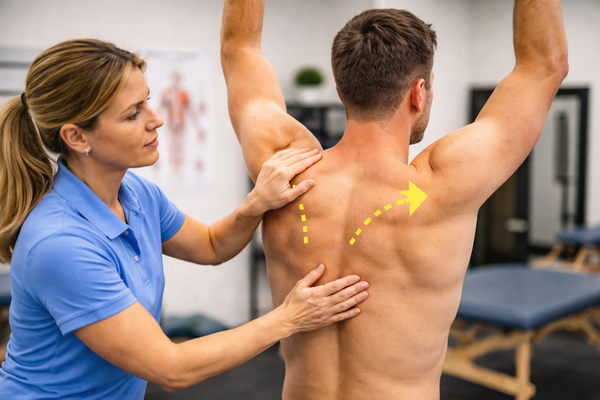
Scapular dyskinesis divides clinical opinion, as some treat it as the root cause of shoulder problems, while others treat it as a normal variation. The evidence sits between the two.