
type:assessment
Rotator-Cuff-Related Shoulder Pain: Assessment and Clinical Classification
This blog will help you determine what RCRSP means, assess it in a structured way, and classify patients so that management matches the presentation.

type:assessment
This blog will help you determine what RCRSP means, assess it in a structured way, and classify patients so that management matches the presentation.
type:evidence-summary
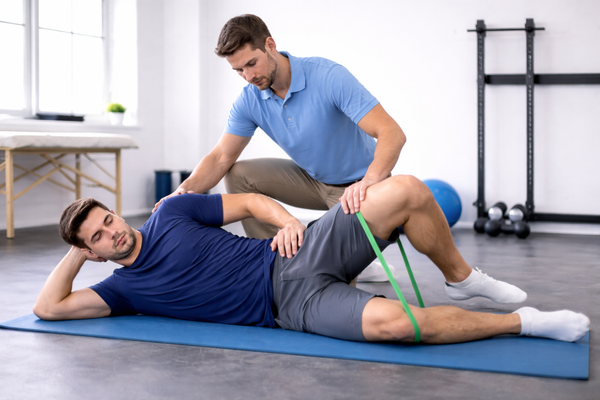
Patellofemoral pain (PFP) is among the most frequently encountered presentations in musculoskeletal practice, affecting individuals across the lifespan from adolescence to older adulthood.

condition:knee-oa
GLA:D is a structured, physiotherapist-led programme of patient education plus supervised neuromuscular exercise, designed to translate the evidence into routine clinical care.

type:protocol
With this protocol, you can individualise exercise selection, loading and timelines to your patient, but the progression logic stays constant.

condition:lbp-non-specific
A twelve-week framework to triage out specific pathology and radiculopathy, screen psychosocial risk, and confirm a non-specific, mechanical presentation.
condition:lumbar-radiculopathy
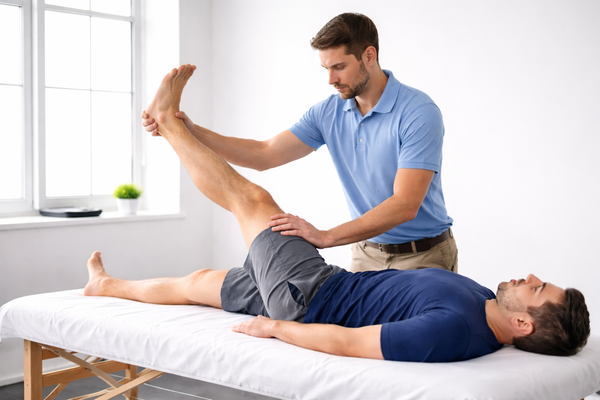
Lumbar radiculopathy is one of the few low back presentations in which a structural source can often be reasonably localised, and missing a red flag carries the greatest consequence.
condition:lbp-non-specific
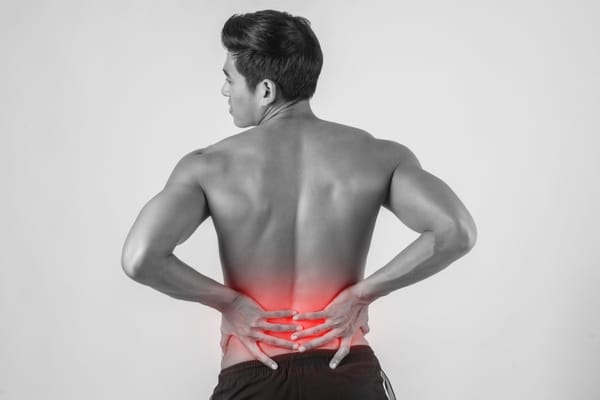
Low back pain is the single largest contributor to years lived with disability globally, yet in most presentations, no specific pathology can be reliably identified.